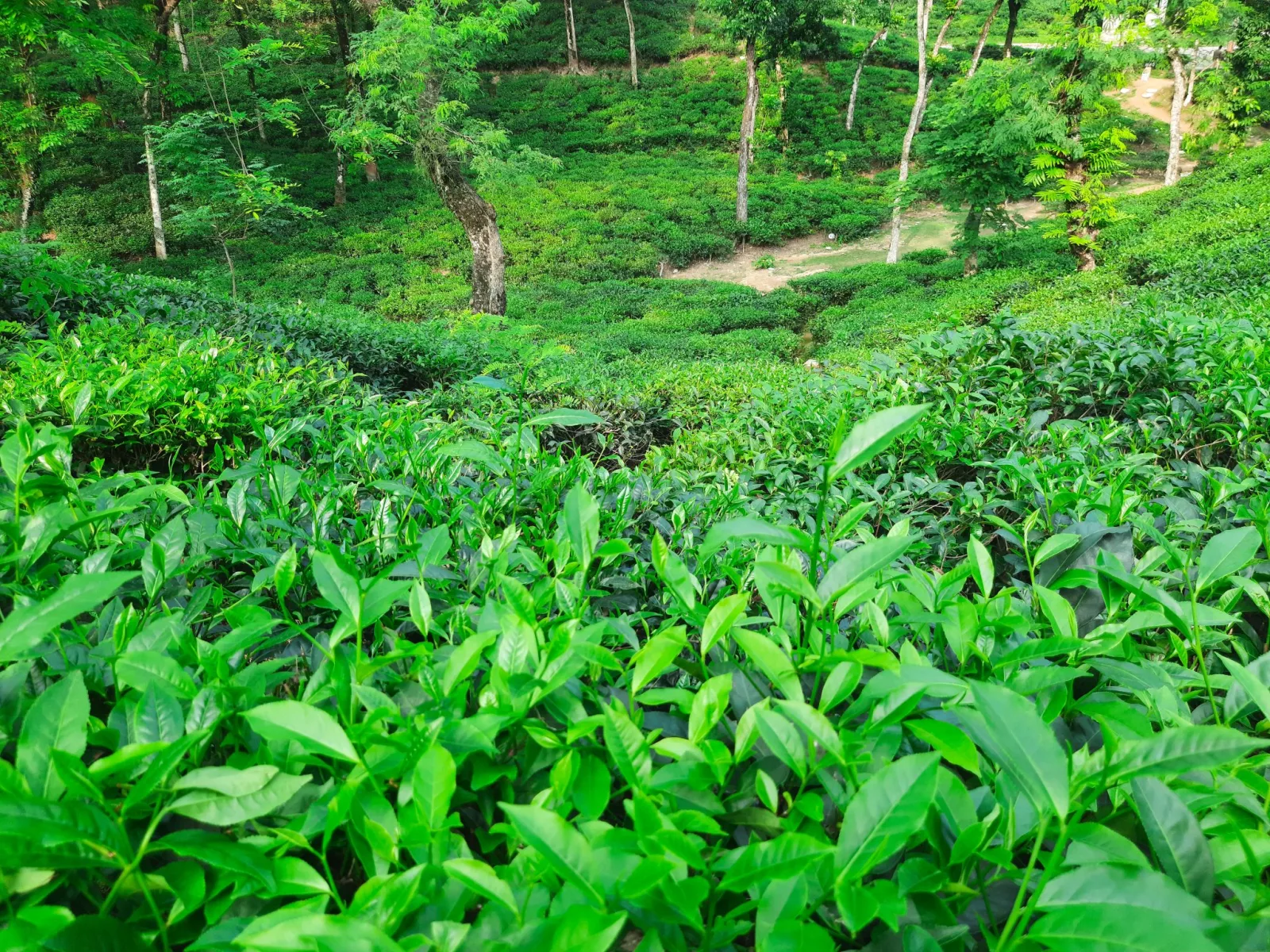
Unsweetened Tea: A Natural Aid for Blood Sugar Management
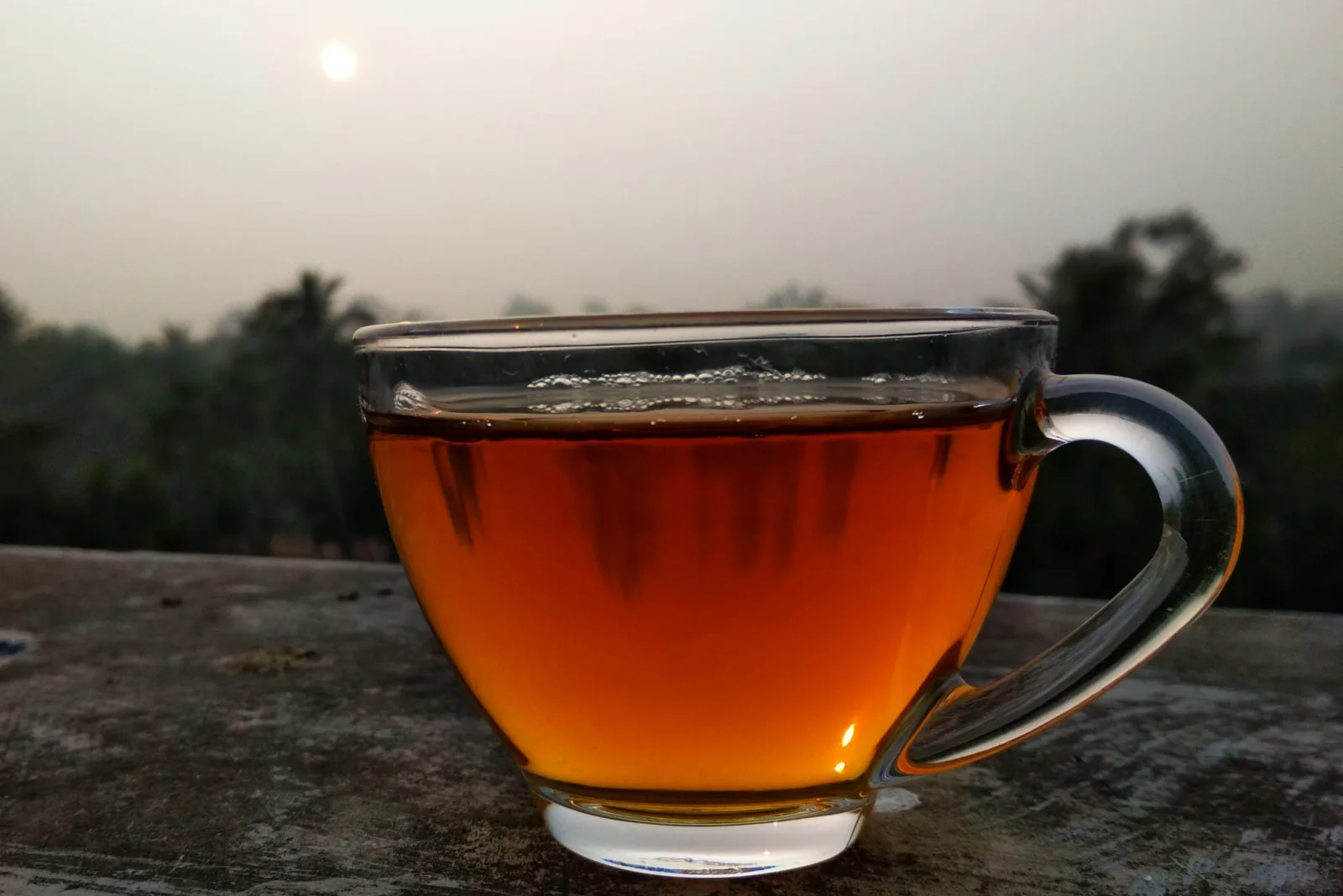
Recent studies suggest unsweetened black and green teas can assist with blood sugar control, offering a healthier alternative to sugary drinks.
New research indicates that switching from sugary beverages to unsweetened black or green tea could support blood sugar regulation. This finding emerges from two trials conducted with 46 healthy participants in Japan, highlighting the potential health benefits of these teas.
Study Findings on Black Tea
In the Japanese trials, participants consumed 200 grams of rice along with 200 milliliters of black tea. Those who drank the black tea exhibited significantly smaller increases in both post-meal blood sugar and insulin levels when compared to individuals who received a placebo drink. The study published in Functional Foods in Health and Disease indicated a P value of 0.024 for blood sugar and 0.014 for insulin, marking a statistically meaningful difference.
Green Tea Effects Confirmed
Furthermore, research surrounding green tea also points towards positive outcomes for blood sugar management. A comprehensive meta-analysis published by Chinese researchers in Nutrition & Metabolism in July 2020 consolidated data from 27 clinical trials involving 2,194 participants. The results indicated that those who regularly drank green tea had fasting blood sugar levels that were, on average, 1.44 milligrams per deciliter lower than those in comparison groups.
Understanding the Mechanism
According to the researchers, the beneficial effects of both teas can be attributed to polyphenols—antioxidant compounds present in plants. These polyphenols may inhibit digestive enzymes that convert carbohydrates into sugar. However, it's important to note that while this mechanism has been demonstrated in laboratory tests, further studies are needed to confirm its effectiveness in human subjects.
Considerations and Limitations
Despite promising results, there are some limitations to consider. The same meta-analysis of green tea showed no significant changes in fasting insulin and HbA1c levels, which assess average blood sugar over a two to three-month period. Any observed reduction in HbA1c was minimal at just 0.06 percentage points and was not statistically significant. The researchers highlighted that while the impact on fasting blood sugar was apparent in short-term trials, long-term studies are necessary to validate these findings.
Research concerning black tea has also revealed varied outcomes. In a separate study published in Asia Pacific Journal of Clinical Nutrition in 2017, blood sugar levels decreased in a group of 24 individuals with either normal glucose levels or prediabetes after consuming black tea following a sugar solution. While blood sugar showed a decline, the change in insulin levels did not reach statistical significance, differing from the earlier Japanese study's findings.
Preparation Matters
How one prepares tea is crucial in determining its health benefits. Adding sugar or honey can negate any positive effects, potentially causing an increase in blood sugar instead. For example, a trial reported in Journal of the American Dietetic Association found that healthy adults experienced gastrointestinal issues after consuming a drink combined with 3 grams of black tea powder, leading to their exclusion from analysis.
Consequently, consuming large amounts of strongly brewed tea isn't the sole solution. Both black and green teas contain caffeine, which might disrupt sleep for those sensitive to it. Therefore, individuals who struggle with caffeine or are on diabetes medications are advised to consult healthcare professionals before making dietary changes.